
Tree of Savior: NEO
NEOCRAFT LIMITEDRole Playing
4.4660.00 Reviews
- Version
- 1.1.1
- Installs
- 1.00M
- Age Rating
- Everyone 10+
Screenshots


Our Review of Tree of Savior: NEO
 Analysis by Appyee
If you’re in the market for a new MMORPG that blends fantasy with a sprinkle of nostalgia, then let me introduce you to Tree of Savior: NEO. This game is like a breath of fresh air for those who crave a rich, detailed world where they can lose themselves for hours on end. With its intricate design and compelling gameplay, it’s no wonder it has captured the hearts of many.
Choosing a pace that suits you
What matters most when choosing a role-playing game is not just its setting, but how much attention it asks for at a time. I’d approach this one as a game to settle into rather than a quick distraction: its appeal is the combination of a fantasy world, character choices, quests, and social play. If you enjoy having several ways to spend a session, that variety is useful. You can focus on following the story, exploring, or thinking about how you want your character to develop.
That choice also means it may not suit everyone. If you want a tightly bounded story that reaches a clear ending without ongoing character-building, a conventional single-player RPG is likely a better fit. And if you only want brief, self-contained rounds, an MMORPG can feel like a commitment even when you log in casually. I’d recommend trying it when you’re in the mood to return to the same world over time, not expecting every short session to feel like a complete adventure.
The game is free to start, with in-app purchases ranging from $0.49 to $99.99 per item. I’d treat that range as a reason to decide your own spending limits before browsing optional purchases, rather than as a reason to assume payment is necessary. For a free-to-play role-playing game, the useful question is whether you enjoy the core loop without feeling pushed to spend. Anyone who prefers a game with one fixed upfront price and no optional purchase decisions may be more comfortable with a paid RPG instead.
Immersive Gameplay and Stunning Visuals
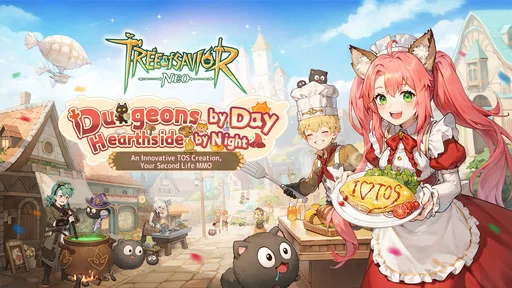
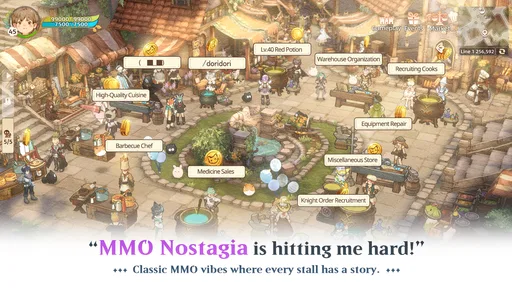
Jumping into Tree of Savior: NEO, the first thing that hits you is the breathtaking visual style. It’s like stepping into a beautifully illustrated storybook, with vibrant colors and stunning, hand-drawn graphics. The attention to detail is impressive, and it truly enhances the immersive experience. Whether you’re wandering through lush forests or battling in dark dungeons, the environment feels alive and dynamic.
Now, let’s talk gameplay. The game offers a plethora of classes to choose from, allowing you to tailor your character to your playstyle. Whether you’re a fan of getting up close and personal with melee attacks or prefer to hang back and cast powerful spells, there’s something for everyone here. The class system is deep and flexible, encouraging you to experiment with different combinations.
Planning a character rather than chasing every option
That flexibility is most satisfying when I make choices with a rough plan in mind. Before changing direction, I’d ask myself what kind of moment I want the character to handle well: close-range pressure, distance, or a more supportive role. It’s a simple way to keep experimentation purposeful instead of picking options just because they are available. A broad class system can invite endless tinkering, but constantly second-guessing a build can distract from the actual adventure.
For a new player, I’d choose a style that feels intuitive and learn its strengths before trying to optimize everything. This is a practical trade-off: a familiar approach makes it easier to pay attention to the world and quests, while a more experimental setup can be rewarding for someone who enjoys comparing abilities and adjusting a plan. If you mainly want a story-led game and dislike thinking about character configuration, the customization may feel like extra homework rather than a benefit.
Quests and Exploration
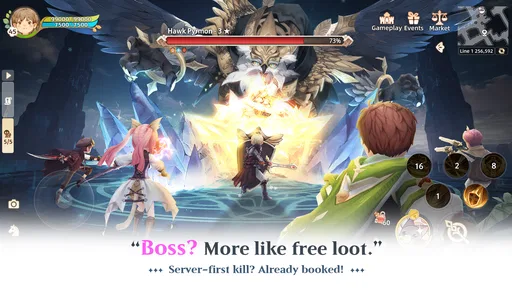
One aspect that really stands out is the questing system. It feels engaging and diverse, with tasks ranging from simple fetch quests to epic battles against formidable bosses. The narrative is woven into each quest, making you feel like you’re part of a larger story. Exploration is highly encouraged, and there’s always something new to discover around every corner.
Plus, the world map is vast and full of secrets. Hidden treasures, rare monsters, and intricate puzzles await those who dare to venture off the beaten path. It’s a game that rewards curiosity and persistence, making every discovery feel meaningful.
Making exploration fit an ordinary day
A realistic way to play is to use a free evening for a longer stretch of quests and save a shorter visit for wandering or picking up a manageable objective. I wouldn’t treat every session as a race to clear content. When I’m tired or only have a little time, exploring at my own pace is a better choice than starting something that needs sustained attention. That approach also makes the world feel less like a checklist.
One small habit that helps in expansive RPGs is to keep a mental note of what drew you away from the main path. If a place or unusual encounter catches your attention, return to it when you have time rather than trying to investigate every distraction at once. The trade-off is that a curious player can spend a session without making much story progress. That isn’t necessarily wasted time, but it is worth knowing if you prefer a clear, efficient route through a game.
Compared with more linear role-playing games, the attraction here is the sense of a larger shared world and the possibility of choosing between questing, exploration, and playing alongside others. A linear RPG is usually the better choice when you want carefully controlled pacing and a finite campaign. A more action-focused game may suit someone who values immediate combat above exploration and social presence. I’d pick this one when the appeal is the ongoing fantasy setting, not simply a fast sequence of fights.
Community and Social Interaction
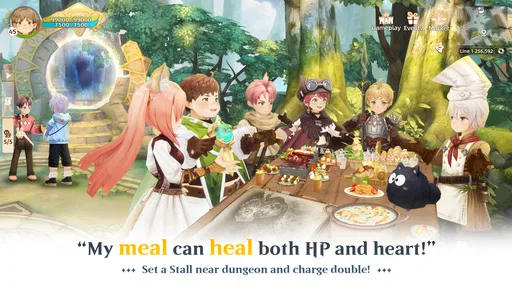
MMORPGs are all about community, and Tree of Savior: NEO shines in this department. The game fosters a vibrant and welcoming community where players can team up for quests, engage in PvP battles, or simply hang out in the bustling towns. The social interaction adds another layer of enjoyment, as you forge friendships and alliances with fellow adventurers.
The guild system is particularly noteworthy, offering players the chance to collaborate on large-scale missions and compete in guild wars. It’s a fantastic way to experience the game’s content with friends and adds a real sense of camaraderie.
When playing with others is a bonus, not a requirement
Social features can make an MMORPG feel welcoming, but they also ask for a different kind of availability. If you enjoy coordinating with friends, group quests and guild activities can give your time in the game a shared purpose. If you prefer to play alone or at unpredictable hours, I’d avoid treating guild participation as an obligation. The game’s appeal should still come from the parts you personally enjoy, not from pressure to match someone else’s schedule.
For a first visit, I’d take time to understand the game’s social spaces before committing to a group. Watch how other players interact, see whether cooperative play feels comfortable, and then decide if you want to join in. That gives you a low-pressure way to judge the community for yourself. Players who want a completely private experience, with no interest in other people appearing in their game world, are likely better served by an offline RPG.
Customization and Character Development
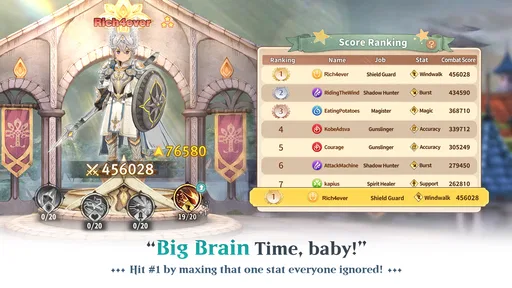
Character customization is where Tree of Savior: NEO really allows your creativity to shine. From hairstyles to outfits, there are countless options to make your character uniquely yours. But it’s not just about looks; the game also offers an in-depth skill and stat system, allowing you to fine-tune your character’s abilities to suit your playstyle.
As you progress, you’ll unlock new skills and abilities, which can be upgraded for even more powerful effects. This level of customization keeps the gameplay fresh and exciting, as you adapt and evolve your strategy to tackle the game’s challenges.
Adjusting without losing sight of your goal
Cosmetic choices and build choices serve different purposes, and I’d enjoy them differently. Appearance is a chance to make the character feel personal; skill and stat decisions are a reason to pause and think about what you want to improve. A useful habit is to identify what is making a challenge difficult before changing several things at once. If you alter too many parts of a build together, it becomes harder to tell which decision helped.
This kind of development is a stronger fit for players who like gradual progress and revisiting their approach. It is less ideal for someone who dislikes systems that grow more involved over time. I also wouldn’t assume that every available option needs to be explored: settling on a character direction can be more satisfying than repeatedly rebuilding in search of a perfect setup. The best plan is one that keeps the game enjoyable for you, not one that turns every choice into a test.
Soundtrack and Audio Experience
A special shoutout to the game’s audio design. The soundtrack is a masterpiece, perfectly complementing the game’s atmosphere. From the serene melodies of the town themes to the intense rhythms of battle music, it truly enhances the experience. The sound effects are equally impressive, adding weight and impact to every action.
Overall, the audio is a crucial part of what makes Tree of Savior: NEO so captivating. It’s not just about what you see on the screen; it’s about the entire sensory experience.
Who I’d recommend it to
NEOCRAFT LIMITED’s role-playing game is free to download, carries an Everyone 10+ age rating, and has a 4.6 average from around 20,000 ratings. It has passed one million installs, and its current version is 1.1.1; it was released on June 11, 2025, and requires Android 8.0 or later. Those details make it easy to see that it has found an audience, but they don’t decide whether its style will suit you. I’d judge it by whether you like the illustrated fantasy look and the prospect of spending time on quests, character growth, and a shared world.
It should appeal most to players who enjoy having several reasons to return: a character to develop, places to explore, and other players to meet. It is also a sensible option for someone curious about MMORPGs who wants to begin without paying an upfront price. On the other hand, skip it if you need a complete offline campaign, dislike ongoing progression, or would rather avoid optional in-app purchases altogether. Those preferences are not flaws; they simply point toward a different kind of RPG.
If you’re wondering whether you need to play with friends, I wouldn’t make that a condition for trying it. The social side is a meaningful part of the experience, but its value depends on whether you enjoy cooperative play. If you’re wondering whether to focus on story or build experimentation, I’d start with the quests and let your character choices develop alongside them. And if your sessions tend to be short, use them for a small objective or relaxed exploration rather than expecting every login to deliver a major breakthrough.
In conclusion, Tree of Savior: NEO is a gem in the MMORPG genre. With its stunning visuals, engaging gameplay, and vibrant community, it offers a truly immersive experience for players looking to dive into a rich fantasy world. Whether you’re a seasoned MMO veteran or a newcomer to the genre, this game has something to offer. So, grab your gear, rally your friends, and embark on an epic journey. Trust me, you won’t be disappointed.
My strategy verdict
My recommendation comes with one qualification: approach it as a world to spend time in, not as a promise that every session will be equally rewarding. Its strongest ingredients are the illustrated environments, varied ways to develop a character, exploration, and the possibility of making the journey social. The main trade-offs are the attention an ongoing RPG can demand, the temptation to overthink character choices, and the need to decide how you feel about optional purchases.
For me, the best way to give it a fair chance is to begin with a playstyle that feels natural, follow the quests until the setting has a little context, and let curiosity guide side trips when time allows. If that rhythm sounds appealing, this is an inviting fantasy MMORPG to try. If what you want is a short, self-contained adventure with no ongoing character decisions or multiplayer element, I’d choose a different kind of role-playing game.
Verdict
Strengths of Tree of Savior: NEO
- Stunning graphics with vibrant environments.
- Diverse class system for tailored gameplay.
- Engaging storyline with rich lore.
- Frequent updates with new content.
- Solo and multiplayer modes available.
Limitations of Tree of Savior: NEO
- Complex mechanics can overwhelm newbies.
- In-app purchases can affect balance.
- Occasional server connectivity issues.
- Limited character customization options.
- Some quests feel repetitive over time.
Other Releases by NEOCRAFT LIMITED
View All
Dynasty Warriors: Overlords
Action4.3
Similar Picks in This Category
View All
Hair Dye
CrazyLabs LTD4.4

Monster High™ Beauty Salon
CrazyLabs LTD4.5

Bus Simulator - Bus Games 3D
Jima Apps4.4

Flight Pilot: 3D Simulator
Wildlife Studios4.1


Super Stylist Fashion Makeover
CrazyLabs LTD4.4
Frequently Asked Questions
What is Tree of Savior: NEO and how does it differ from the original version?
Tree of Savior: NEO is a reimagined version of the original Tree of Savior MMORPG, offering enhanced graphics, updated gameplay mechanics, and a more streamlined user interface. It retains the core elements of exploration and character customization while introducing new content and events. Players familiar with the original will notice improved performance and new features.
What are the system requirements for Tree of Savior: NEO on mobile devices?
Tree of Savior: NEO requires a device running on Android 8.0 or iOS 11.0 and above. A minimum of 3GB RAM is recommended for optimal performance. Users should also ensure they have at least 2GB of free storage space available for installation and future updates to enjoy smooth gameplay.
Is Tree of Savior: NEO free to play, and are there in-app purchases?
Yes, Tree of Savior: NEO is free to download and play. However, it includes in-app purchases that offer various cosmetic items, boosts, and other enhancements. While these purchases can enhance your experience, they are entirely optional and not necessary to progress through the game.
How does the multiplayer functionality work in Tree of Savior: NEO?
Tree of Savior: NEO features robust multiplayer capabilities, allowing players to team up with friends or join guilds for cooperative gameplay. The game supports both PvE and PvP modes, enabling players to participate in quests, raids, and competitive battles. Communication tools are integrated to facilitate coordination among players.
Are there any age restrictions for playing Tree of Savior: NEO?
Tree of Savior: NEO is rated for players aged 13 and above due to its fantasy violence and online interactions. Parents should supervise younger players, especially when engaging in the game's online features. The game includes settings to limit chat interactions and in-game purchases for added parental control.
Play our best games!


